How does the process of building a company website actually look?
(Or let’s spell out clearly why a website takes time to build).
“Can we have the website ready by the end of the month?” — that’s a question I hear a lot. “We’ve got this fair coming up and we’d like the new site to be live.”
I always answer honestly: building a website is a bit like building a summer cottage. Sure, you could throw something up in a week. But would you really want to live there? And let’s be honest — you knew months ago that the fair was coming. By waiting until the last minute, you’re asking someone else to bend the laws of time.
And when the situation is already critical, someone still tries to negotiate: “Why does it cost €5000? Couldn’t you do it for €2000?”
These stories are all true. Perfectly normal. “The customer is king,” as the saying goes. And yes, it’s normal to need things fast. It’s just not realistic to expect the whole team to drop everything, work only on your project, and still do it for half the price.
For us, those requests don’t fly — but they’re a great way to introduce the topic.
On average, a company website takes one to two months to complete. Don’t believe it? Let me walk you through the steps that eat up that time.
First meeting and idea gathering
We start by sitting down together. You tell us what you need, we ask questions, listen, and take notes. We write down your wishes, ideas, dreams — and even the fuzzy ones. Then we send you a first quote. If you’re happy, the project kicks off.
Website structure and visual planning
We begin with the site’s structure and visual concept. This isn’t just doodling on paper. It usually takes a few meetings: you share your thoughts, we add our ideas, and everything is documented. These talks often end with, “That’s good, but what if we also…?” And so the ping-pong continues.
Design creation and revisions
Once the structure is locked in, design work starts. We send you a draft. You reply, “Yes, very good, but…” Then we do a few more revisions. That means emails, calls, video meetings. Totally normal — the site needs to be *ideal*, not just “almost good enough.”
Development after design approval
After you approve the design, developers step in to bring it to life. And of course, things that looked simple on paper suddenly aren’t so simple. More meetings and clarifications follow. Every “great idea” usually brings at least two new questions.
Ongoing communication and staged payments
Throughout development, we keep you updated. You see progress, give feedback, and we make adjustments. Alongside this, staged payments help keep the project on track and give you confidence that everything is moving in the right direction.
Thorough testing
Next comes testing. Not just a quick glance and “looks fine.” We test across browsers and devices, checking every link and button. You and your team test as well, and you’ll definitely spot a few things we missed — fresh eyes always do.
Launch and post-launch check
When the site finally goes live on your domain, we don’t stop there. We run another check, fix the small (and sometimes not-so-small) issues that crop up once real users get involved.
Yes, it all takes time. But would you really want less effort put in?
A realistic timeline
Here’s a sample timeline of a typical 2-month company website project:
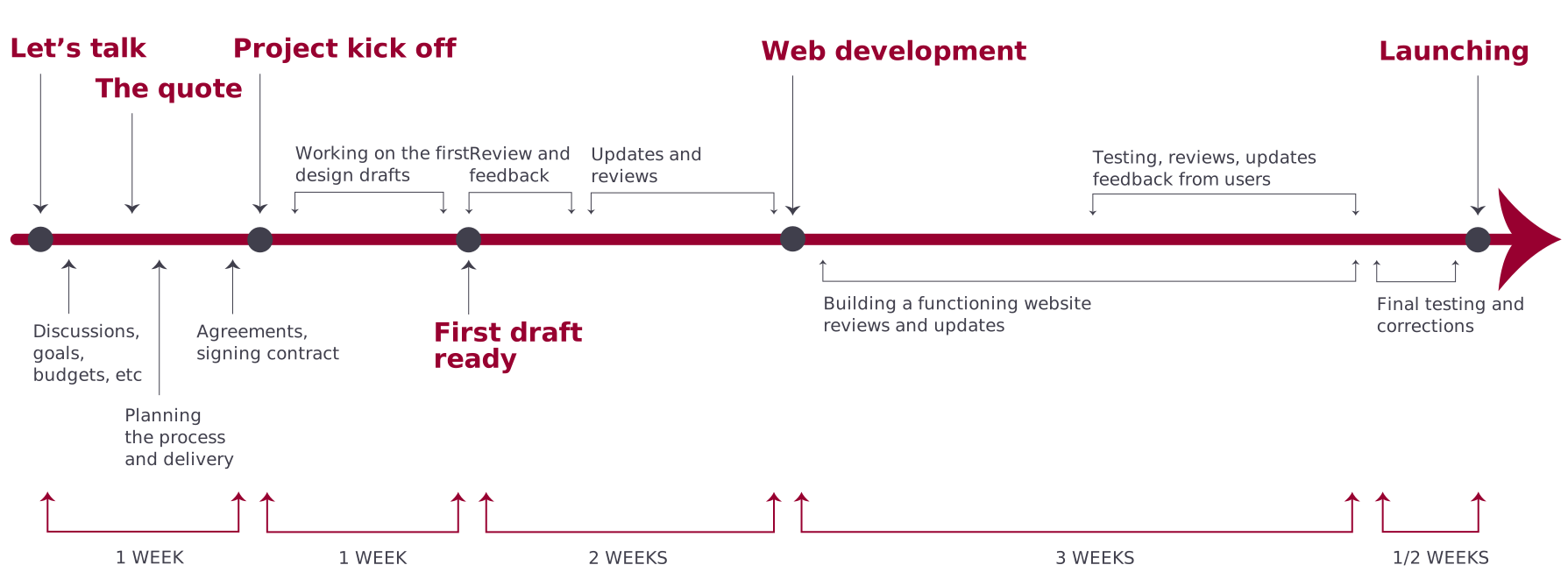
As you can see, building a website isn’t a sprint. It’s more of a long-distance run. But once your site shines, works flawlessly, and starts bringing in results, you’ll probably think — actually, that went pretty fast.

Article author:
Martin Palmet
Founder & strategist at Caotica
Follow me on LinkedIn →
I share daily insights on web, marketing, and growth.


